
Selling a manufactured home requires a distinct process from selling a site-built house, and the single most important factor is whether your home is classified as personal property or real property. That classification determines your paperwork, your buyer’s financing options, and how ownership transfers at closing. Get it wrong, and you risk delays, failed deals, or legal headaches. This guide walks you through every step, from verifying your home’s legal status to completing the correct title transfer, so you can sell your manufactured home with confidence and get the best price possible.
How to sell a manufactured home: personal property vs. real property
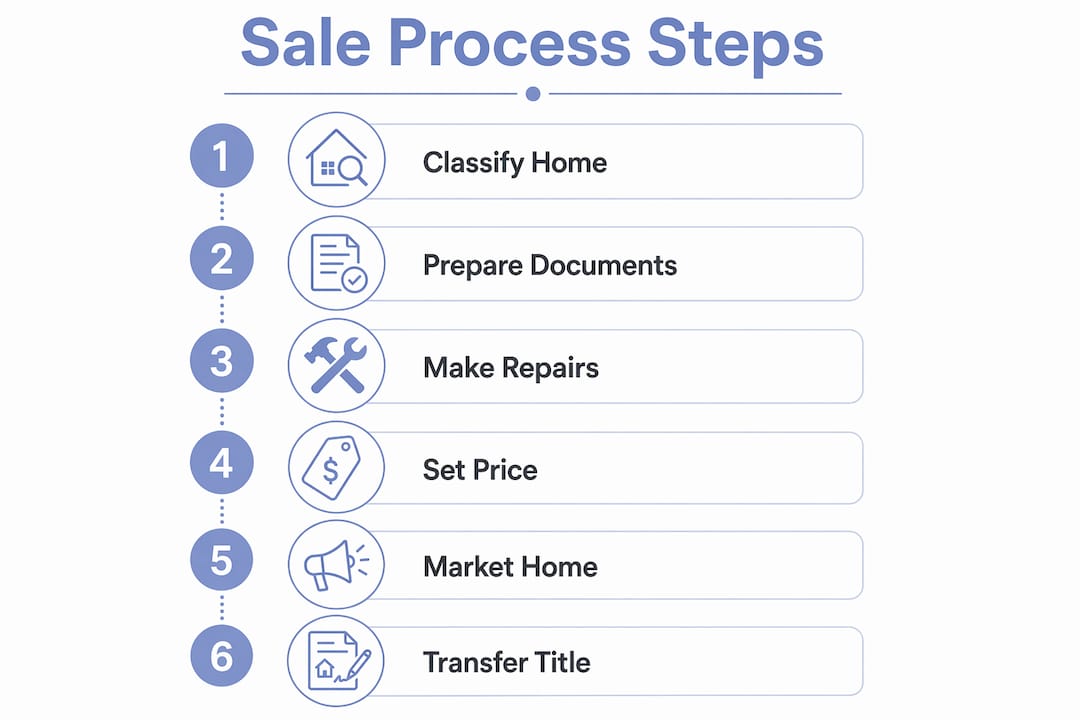
The first step in any manufactured home sale is confirming your home’s legal classification. This single fact shapes everything that follows, from the documents you need to the buyers who can finance the purchase.
A manufactured home classified as personal property (also called chattel) is treated similarly to a vehicle. You hold a certificate of title, and ownership transfers through a motor vehicle agency or equivalent state office. A home classified as real property is permanently affixed to land you own, has had its title retired, and transfers via a deed recorded with the county.
Here is how to determine which category applies to your home:
- Check your documents. A certificate of title means personal property. A deed means real property.
- Verify land ownership. If you lease the lot in a park, your home is almost certainly personal property.
- Contact your county assessor. They can confirm how the home is recorded on local tax rolls.
- Review your loan type. Chattel loans apply to personal property; conventional mortgages apply to real property.
Converting a personal property home to real property is possible in most states. The process involves retiring the title, permanently affixing the home to a foundation you own, and recording a deed. Conversion expands your buyer pool significantly because more lenders will finance real property purchases.
What documents do you need before listing?
Preparation is the fastest way to sell a manufactured home without delays. A typical sale takes 6–8 weeks, and missing paperwork is the most common reason that timeline stretches longer.
Gather these documents before you list:
- Clear title or deed. Liens must be resolved or payoff amounts confirmed in writing.
- Payoff statement. If you have an outstanding loan, get a written payoff figure from your lender.
- Bill of sale. Required for personal property transfers in most states.
- Certificate of Occupancy. Confirms the home meets local habitability standards.
- Data plate and interior data sheet. These documents, typically found inside cabinets or under sinks, list the home’s specifications and HUD compliance information. Their absence can kill a deal at the financing stage.
- Park lease or rules. Required if the home sits on leased land.
- Tax records. Proof that property taxes are current.
Pro Tip: Photograph every document and store copies in a shared cloud folder. Buyers, lenders, and title companies will request these repeatedly, and having them ready on demand signals that you are a serious seller.
Physical preparation matters just as much as paperwork. Addressing the “Big Five” repairs, which are roofing, electrical, sub-floor, HVAC, and plumbing, directly affects buyer financing eligibility and your final sale price. Lenders often require these systems to be in working order before approving a loan. Beyond structural repairs, clean the home thoroughly, remove personal items, and boost curb appeal with fresh landscaping and a clean exterior.
How should you price your manufactured home?
Accurate pricing is the difference between a fast sale and a home that sits on the market for months. Most automated valuation tools underestimate manufactured home values because they are calibrated for site-built homes.

| Pricing Factor | Personal Property Home | Real Property Home |
|---|---|---|
| Valuation method | Recent comparable sales, lot rent | Professional appraisal ($300–$600) |
| Key variables | Age, condition, lot rent, park quality | Land value, location, comparable sales |
| Financing impact | Chattel loan rates, limited lenders | Conventional mortgage eligible |
| Market data source | MHVillage sold listings, local dealers | MLS, county records |
For personal property homes, research comparable sales using platforms that specialize in manufactured housing. Lot rent is a major factor because high monthly park fees reduce what buyers can afford to pay for the home itself. For real property homes, a licensed appraiser familiar with manufactured housing gives you a defensible number that lenders will accept.
Age and condition carry more weight in manufactured home pricing than in site-built home pricing. A well-maintained 1998 double-wide in a desirable park can outsell a neglected 2005 model in poor condition. Price to the market, not to your memories of what you paid.
What are the best ways to market your manufactured home?
Marketing a manufactured home effectively means reaching buyers who are specifically looking for this type of housing. Generic real estate platforms alone will not do the job.
- MHVillage is the leading platform dedicated to manufactured homes. List here first with professional photos and complete specs.
- Zillow and Realtor.com reach a broad audience and are worth listing on, especially for real property homes.
- Facebook Marketplace and Craigslist generate strong local interest, particularly for personal property homes in parks.
- Yard signs and park bulletin boards remain effective for homes in manufactured home communities.
Real estate agent commissions for manufactured homes classified as real property typically run 5–6% of the sale price. An agent experienced in manufactured housing can justify that cost through better pricing accuracy and access to qualified buyers. For personal property homes, many sellers handle the transaction themselves to avoid fees that can exceed the home’s value relative to commission.
Pro Tip: In your listing, lead with the monthly lot rent, square footage, and the year the home was built. These are the first three numbers buyers search for, and burying them in the description costs you inquiries.
If your home sits on land you own, market it as a package. Buyers who can finance the land and home together through a conventional mortgage represent a larger and better-qualified pool than chattel loan buyers. Highlight the land ownership prominently in every listing.
What are the steps to transfer the title and close the sale?
The closing process for a manufactured home differs based on its legal classification. Skipping steps or using the wrong process can leave ownership legally unclear.
For personal property homes:
- Confirm the buyer’s financing is approved and funds are ready.
- Obtain a payoff letter from your lender and arrange for lien release.
- Sign a notarized bill of sale with the buyer.
- Transfer the title through your state’s motor vehicle agency or manufactured housing division.
- Collect payment and hand over keys and all physical documents.
- Notify the park management of the ownership change.
For real property homes:
- Open escrow with a title company experienced in manufactured housing.
- Order a title search to confirm no outstanding liens.
- Coordinate lender payoff and lien release with your mortgage servicer.
- Sign a deed prepared by a real estate attorney or title officer.
- Record the deed with the county recorder’s office.
- Receive net proceeds after closing costs and commissions.
Local park rules add a layer to personal property closings. Parks cannot unreasonably block a sale, but they can require management notification, buyer screening, and control over lot rent during the transition period. Contact park management early. Waiting until closing week is a reliable way to create last-minute delays.
The typical timeline from accepted offer to closing runs 6–8 weeks for both property types. Having all documents ready at the start compresses that timeline. Missing a single item, such as a data plate or lien release, can add weeks.
Key Takeaways
Selling a manufactured home successfully depends on knowing your home’s legal classification and preparing the right documents before you list.
| Point | Details |
|---|---|
| Classify your home first | Confirm personal property or real property status before taking any other step. |
| Documents prevent delays | Gather title, payoff statements, data plates, and park documents before listing. |
| Repair the Big Five | Fix roofing, electrical, sub-floor, HVAC, and plumbing to protect buyer financing. |
| Price with the right tools | Use MHVillage comparables for personal property and a licensed appraisal for real property. |
| Follow the correct closing process | Personal property closes through a motor vehicle agency; real property closes through deed recording. |
What I’ve learned from watching manufactured home deals fall apart
I’ve seen sellers lose buyers at the finish line over problems that were entirely preventable. The pattern is almost always the same: a homeowner assumes that selling a manufactured home works like selling any other house, skips the classification check, and discovers the hard way that their buyer’s lender won’t touch a chattel property.
Treating this as an auditable process with a written checklist is not overkill. It is the single habit that separates sellers who close on time from sellers who relist three times. Write down every document, every contact, and every deadline. Update the list after every conversation.
The other mistake I see constantly is spending money on cosmetic upgrades while ignoring structural issues. Fresh paint does not help when the sub-floor is soft or the roof leaks. Buyers who need financing will have the home inspected, and essential repairs directly affect whether their loan gets approved. Put your repair budget where underwriters are looking, not where Instagram looks good.
Park rules catch sellers off guard more than almost anything else. If your home is in a community, read your lease agreement before you list. Some parks require 30 to 60 days’ notice before a sale. Some require the buyer to be approved by management before you can even accept an offer. Finding this out after you have a signed contract is a painful and avoidable situation.
My honest advice: give yourself 30 days of preparation before you list. Gather every document, make the structural repairs, confirm your classification, and call the park office. That one month of preparation will save you two months of delays.
— Travis
Selling your manufactured home without the hassle
Preparing documents, managing repairs, and navigating title transfers takes real time and effort. For homeowners who want a faster path, Decostabuyshomes buys manufactured homes directly, in various conditions and situations, without requiring you to list, show, or wait for buyer financing to clear.
Decostabuyshomes handles the paperwork and title transfer process, which removes the most stressful parts of the sale for most homeowners. The company provides multiple selling solutions based on your specific situation rather than a single take-it-or-leave-it offer. If you want to skip the traditional process and get a fair offer quickly, request a cash offer from Decostabuyshomes today.
FAQ
What is the difference between personal property and real property for a manufactured home?
A manufactured home is personal property when it sits on leased land and carries a certificate of title. It becomes real property when it is permanently affixed to land you own and the title has been retired in favor of a deed.
How long does it take to sell a manufactured home?
The typical timeline is 6–8 weeks from accepted offer to closing. Having all documents ready at the start of the process is the most reliable way to stay on schedule.
Do I need a real estate agent to sell my manufactured home?
An agent is not legally required, but one experienced in manufactured housing can improve pricing accuracy and buyer reach. For real property homes, the 5–6% commission is often justified by the complexity of the transaction.
What repairs should I make before listing my manufactured home?
Focus on the Big Five: roofing, electrical, sub-floor, HVAC, and plumbing. These are the repairs that affect buyer financing approval and have the greatest impact on your final sale price.
Can I sell my manufactured home if it is in a park?
Yes. Park management cannot unreasonably block a sale, but they may require advance notice and buyer screening. Contact the park office early in the process to avoid delays at closing.